
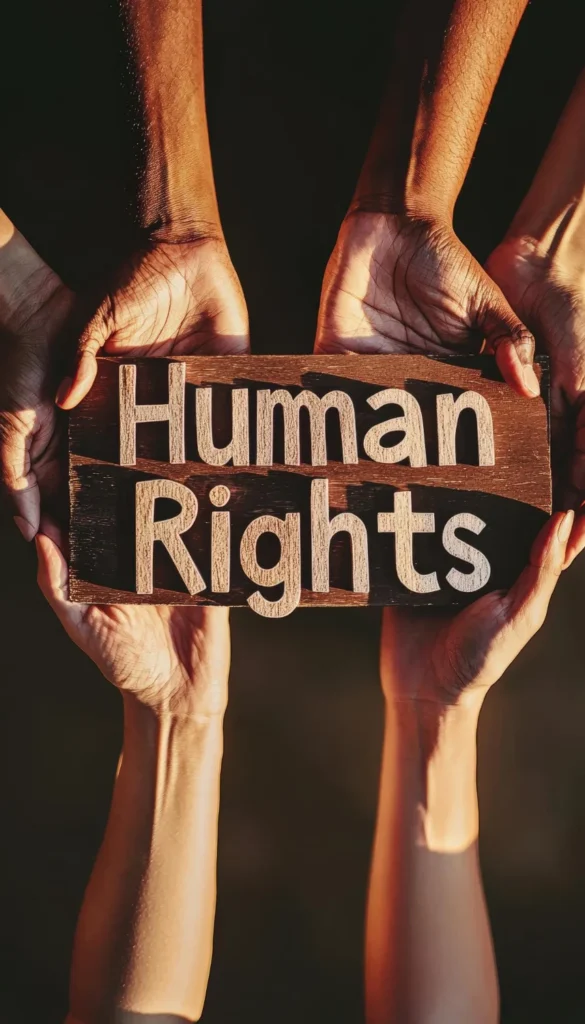
Human rights are not self-enforcing. They require people who know them, defend them, and refuse to stay silent when they are violated.
You do not need a law degree or a UN badge to protect human rights. You need knowledge, commitment, and a willingness to act.
This guide gives you both the context and the concrete steps.
Why Human Rights Need Active Protection
Rights that exist only on paper do not protect anyone.
History is full of laws that were ignored, loopholes that were exploited, and governments that paid lip service to rights while violating them every day. Protecting human rights means closing that gap between what is written and what actually happens.
Understanding Your Rights Is the First Step
You cannot defend what you do not know.
Start with the Universal Declaration of Human Rights. It covers civil, political, economic, social, and cultural rights across 30 articles. It is the baseline. Know what it says and you will recognize violations when you see them.
How to Protect Human Rights in Your Community
Change does not only happen at the international level. Local action shapes the conditions people live in every day.
Here is where to focus your energy.
Document and Report Violations
When you witness or experience a human rights violation, documentation matters. Record what happened, when, and who was involved. Report it to national human rights institutions, civil society organizations, or international bodies depending on the severity.
Evidence is what turns an accusation into an accountable claim.
Hold Institutions Responsible
Governments, corporations, and public institutions have legal obligations under national and international law. When they fail those obligations, you have the right to demand answers.
Use freedom of information laws. Engage with oversight bodies. Support journalists and watchdogs who investigate abuses. Accountability requires persistence.
How International Mechanisms Work
Beyond your local community, there are international systems built specifically to respond to human rights violations.
The UN Human Rights System
The United Nations monitors human rights through treaty bodies, special rapporteurs, and the Human Rights Council. States are reviewed, recommendations are issued, and in serious cases, investigations are launched.
These mechanisms are slow. They are also essential. Engaging them, even indirectly through organizations that file reports, puts pressure on governments to act.
Regional Human Rights Courts
The European Court of Human Rights, the Inter-American Court, and the African Court on Human and Peoples’ Rights allow individuals and groups to bring cases against states.
If domestic remedies have failed, these courts offer another path to justice.